
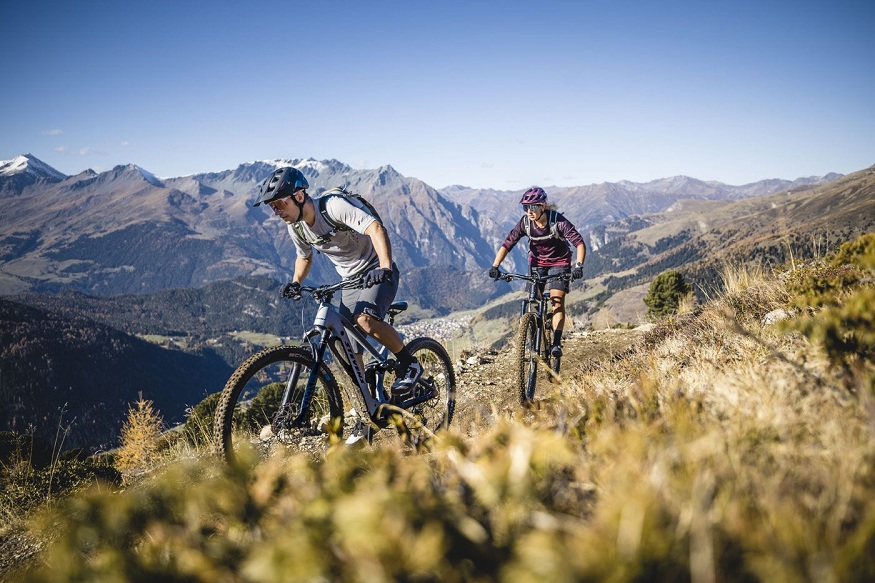
Gravel biking offers riders an exciting mix of adventure, endurance, and technical challenge. In the opinion of Steven Rindner unlike smooth paved roads, gravel routes often change from one section to another. Riders might encounter thick mud, loose sand, deep potholes, sharp stones, large rocks, or exposed tree roots. These conditions make gravel riding less predictable than road cycling and require better bike-handling skills. Cyclists who want to ride safely and confidently on rough surfaces should regularly practice these skills until they become natural responses.
Steven Rindner highlights the skills and techniques gravel bikers must develop
One of the most important aspects of gravel biking is proper body position. Since the surface beneath the tires is often loose or uneven, a rider’s weight distribution has a major effect on balance, traction, and control. Good positioning becomes especially important during steep climbs, fast descents, and rough sections where the bicycle can easily lose stability.
Read More: Impact of Easy EMI on Monthly Household Cash Flow
During downhill riding, cyclists benefit from using a position often called the “ready position” or “attack position.” This stance gives the rider greater control and allows quick reactions when the terrain suddenly changes. To achieve this position, the rider should stand on the pedals with both feet level, roughly at the three-o’clock and nine-o’clock positions. The preferred lead foot should remain toward the front. The knees should stay slightly bent rather than locked. The heels can also be lowered a little, which helps relax the lower legs and reduces the effect of bumps and vibrations coming through the bicycle. The hips should hover slightly above and behind the saddle, while the elbows remain comfortably bent and pointed outward. The rider should also look ahead rather than directly at the front wheel. Looking farther down the trail gives more time to identify rocks, holes, turns, and other obstacles.
As per Steven Rindner, hand position also matters in gravel biking. Riders can keep their hands on the brake hoods during moderate descents or move into the drops when a steeper section requires stronger braking control. Although the handlebars should be held firmly enough to maintain control, the rest of the body should remain relaxed.
Relaxation is especially important on rough gravel. The arms and legs work as natural shock absorbers, helping the bicycle move over bumps without losing contact with the ground. A rider who becomes stiff can make the bike feel unstable and unpredictable. When the body remains flexible, it absorbs impacts more effectively, reduces fatigue, and helps the tires maintain better traction. This approach also makes rough sections more comfortable and easier to manage.
Loose gravel corners require another set of skills. Before entering a sharp turn, the cyclist should study the surface and choose the line with the best available traction. Some roads have compacted tracks created by vehicles, which can provide a firmer surface than deeper gravel along the edges. However, riders should never assume these tracks are always safer. The surface needs to be assessed carefully on each corner.
Read More: Where to Get Industrial 3D Printing in Brisbane?
Speed should be reduced before the turn begins rather than through the middle of the corner. Once the rider reaches the turn, sudden braking or aggressive movements should be avoided. If the gravel remains particularly loose near the apex, excessive leaning can cause the tires to lose grip. Keeping the upper body relatively upright while smoothly guiding the bicycle through the selected line helps maintain balance and control.